


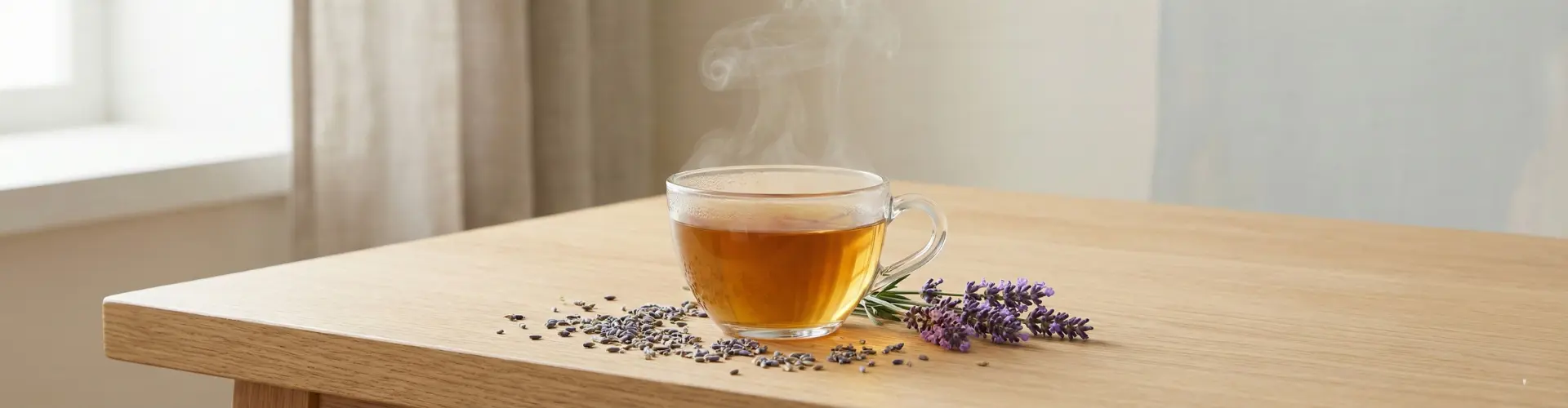

There is something gently restorative about the process of making tea. The warmth of the water, the slow steeping, and the way its aroma fills a room before the first sip has even touched your lips. Lavender tea, in particular, has a way of turning the everyday into something quieter, softer, and more intentional.
For many, lavender tea is more than just a drink. It becomes a ritual. A pause. A small act of care in a world that often moves too fast.
If you have ever wondered what lavender tea truly does for your body and mind, or whether its effects are real rather than just romanticized, this guide is for you. Here, we explore the benefits of lavender tea you might experience with regular use, not as overnight remedies, but as gentle changes that unfold over time.
This article is an invitation to those who believe in intentional routines, creative living, and slow wellness. If you enjoy turning ordinary habits into meaningful rituals, lavender tea may be one of the easiest places to start.
At Join Craft Club, we believe that wellness does not have to be complex or overwhelming. It can begin with small moments that calm your nervous system and invite creativity back into daily life. Lavender tea fits beautifully into that philosophy.
If you love turning everyday moments into meaningful rituals, you may feel at home inside the Join Craft Club community, where calm, creativity, and intentional living come together.
Let us explore why.
What Is Lavender Tea and Why Has It Become a Wellness Staple?

What lavender tea is made from?
Lavender tea is brewed using the dried buds of culinary lavender flowers. Please note that not all lavender is edible. Culinary lavender is farmed and harvested specifically for consumption safety in food and beverages. It is mildly floral tasting rather than perfumed, and very soothing.
This tea is caffeine-free, which makes it ideal for evening routines or slow afternoons when you want to unwind rather than speed up.
Why are people choosing herbal teas again?
There has been a noticeable shift in how people define wellness today. There’s a growing exodus from extreme regimens and toward gentler, more sustainable habits. Teas, like lavender or chamomile, have resurfaced as easy-to-use tools for emotional stress regulation, relaxation, and embodiment.
Instead of pursuing productivity, people are learning how to relax with intent.
Lavender tea is a favorite of creatives, homebodies, and anyone who takes solace in small sensory rituals. Even its scent can signal safety and calm to the brain, which is why we turn to lavender for relaxation and winding down.
Is lavender tea good for you?
This is one of the most frequent questions people ask, and the answer lies in what you mean by good.
Lavender tea is not a cure for medical conditions. It is not a cure for conditions, but rather an aid to supplement professional care. But as one element in a lifestyle characterized by calm, consistency, and emotional equilibrium, it is profoundly supportive.
Lavender tea is commonly sipped for grounding, sleep, and relaxation. Over time, these little windows of tranquility can influence how your body reacts to stress, sleep, and creative energy.
In that context, yes, lavender tea could be good for you.
Also read: Microdosing For Wellness: How Small Doses Of Functional Mushrooms Support Everyday Balance
Lavender Tea Benefits You Can Feel With Consistent Use
The keyword here is consistent.
Lavender tea works gently, and many of the lavender herbal tea benefits are subtle, building slowly with consistent use rather than appearing all at once. But with regular use, many people begin to notice subtle shifts in how they feel, especially around stress, sleep, and emotional regulation.
These are the benefits of lavender tea that show up over time with consistent, mindful use.
Lavender tea for anxiety and emotional calm
One of the most popular lavender tea benefits is its relaxing effect.
Lavender contains natural plant compounds that are known to support relaxation and help calm the nervous system. It does not act as a sedative, but many people find that it gently reduces feelings of restlessness and mental tension.
Lavender tea can serve as a grounding anchor for those who find themselves mentally overstimulated, particularly creatives and deep thinkers. Consuming it in a leisurely manner, breathing in its scent, and taking a moment for yourself can signal to your body that the time is right for sleep.
Many people now use lavender tea during journaling sessions, quiet nights in, and moments when they feel emotionally scattered.
Lavender tea for sleep and better evenings
Lavender tea for sleep is another reason people reach for this floral brew.
The ritual is a big piece of it. Making tea, dimming the lights, and sitting with yourself without screens helps to create a boundary between day and night.
Lavender helps ease this passage by soothing the mind gently. It’s not about putting you to sleep, but it does facilitate the body’s release of tension.
If you have a hard time powering down at night, lavender tea might be incorporated into a nightly wind-down routine. Eventually, your body can learn to associate the scent and taste of it with rest.
Lavender tea and digestion
The gut is often one of the first places where stress shows up, and discomfort or tightness (interoception of hunger/fullness) after eating can also be a sign that your nervous system is still in the ‘on’ mode.
Lavender tea may help promote digestion by aiding the body in relaxing. When you feel safe in your body, digestion tends to get better.
Many people appreciate lavender tea after a meal, particularly in the evening, when they prefer to be calming down rather than rushing off to something else.
Lavender tea for headaches and physical tension
Mental strain frequently manifests as physical tightness.
Lavender Oil has historically been found to ease muscles and treat headaches, particularly when tension is related to mental overload.
While it is not a substitute for medical care, lavender tea can help ease tension in the neck, shoulders, and jaw.
Again, the ritual matters. Sitting, breathing, and slowing down is often what the body really needs.
Lavender tea and skin wellness from within
Stress is a skin enemy. When the nervous system is always in overdrive, skin inflammation and hormonal imbalance can make an appearance on the face.
Lavender tea helps promote a more relaxed internal environment, which is one of the most appreciated lavender herbal tea benefits among slow-living enthusiasts. It's not a skincare product, but the emotional regulation it spurs can help in your overall wellness, which includes how your skin feels and looks.
Lavender Tea in the Join Craft Club Lifestyle
At Join Craft Club, we don't view tea as a product but as a pause.
Our community is about purposeful living, artistic ritual, and embodiment. Lavender tea is very much in line with this concept.
Rituals are what enable us to slow down, take notice of our lives, and infuse them with meaning. Even a simple cup of lavender tea becomes a means to that end. It invites you to pause.
The ritual is in the making, and so are our Craft Boxes. Lavender tea is not infrequently the start of creative thoughts. It sets the tone. It has a way of relaxing the body so that the mind can wander.
For many of us, we even brew a cup before opening the box to turn it into something relaxing, private, and memorable.
If you enjoy pairing creativity with calm, explore our Craft Box experiences designed for intentional living, meaningful rituals, and slow moments of joy.
Pairing Lavender Tea With Other Wellness Rituals
Drinking lavender tea is even more special if it fits into a broader wellness rhythm. It’s most effective when combined with other gentle practices that promote calm, creativity, and connection.
Lavender tea is specifically for calming emotions and regulating the nervous system and mind to rest. Functional mushroom blends, however, often work to help focus, immunity, and long-term resilience.
Individually, and even more so together, they complement one another and provide a balanced wellness experience. One soothes the mind, the other sustains the body.
Discover how small daily rituals can create a calmer, more intentional lifestyle through our curated wellness experiences.
Side Effects of Lavender Tea and What to Know

EEAT means honesty, not hype.
Lavender tea is generally considered gentle, but that does not mean it is perfect for everyone.
Is lavender tea safe for daily use?
For most people, lavender tea is safe when consumed in moderation. One to two cups per day is common.
Possible side effects of lavender tea
Some people may experience mild side effects, including slight drowsiness, mild nausea when consumed on an empty stomach, headaches in rare cases, or allergic reactions in very sensitive individuals.
If you notice discomfort, it is best to reduce frequency or stop.
Who should be cautious?
Avoid taking lavender tea on a regular basis while pregnant or nursing without the advice of a healthcare professional. People on drugs that affect the nervous system should also consult with a professional.
How to Brew Lavender Tea the Right Way
The process of brewing lavender tea can become a calming ritual in itself.
I use food-grade lavender, let it steep for five to seven minutes, and don’t add boiling water. Lavender goes very well with honey, lemon, or chamomile.
Looking for more calming ritual ideas? Explore our menu of slow, thoughtful experiences designed for intentional living.
Making Lavender Tea a Daily Habit, Not a Phase
Rituals last longer than routines because they are emotionally meaningful.
Create a tea space that feels personal. Stack your tea ritual with activities you already love, such as reading, journaling, crafting, or listening to music.
When something feels emotionally rewarding, you return to it naturally.
Is Lavender Tea Right for You?
Lavender tea may be especially helpful if you feel overstimulated, crave slower evenings, enjoy sensory rituals, value emotional wellness, or love thoughtful routines.
If that sounds like you, lavender tea might become one of your favorite daily moments.
Conclusion
Lavender tea doesn’t make promises of overnight change. It offers something quieter. It offers permission to pause.
The real lavender tea benefits often show up in simple, everyday ways, such as how you sleep, how you think, how you create, and how you relate to yourself.
At Join Craft Club, we believe wellness should be gentle, creative, and shared. There’s a place for lavender tea in that world.
Join our community to explore intentional living through shared rituals, creativity, and calm moments.
Share
Mrs. Craft
Hey there! I’m Mrs. Craft, your guide to mindfulness and meaningful connections. Let’s turn each moment into a little healing journey, one lovingly packed box at a time, all the way from Michigan.